
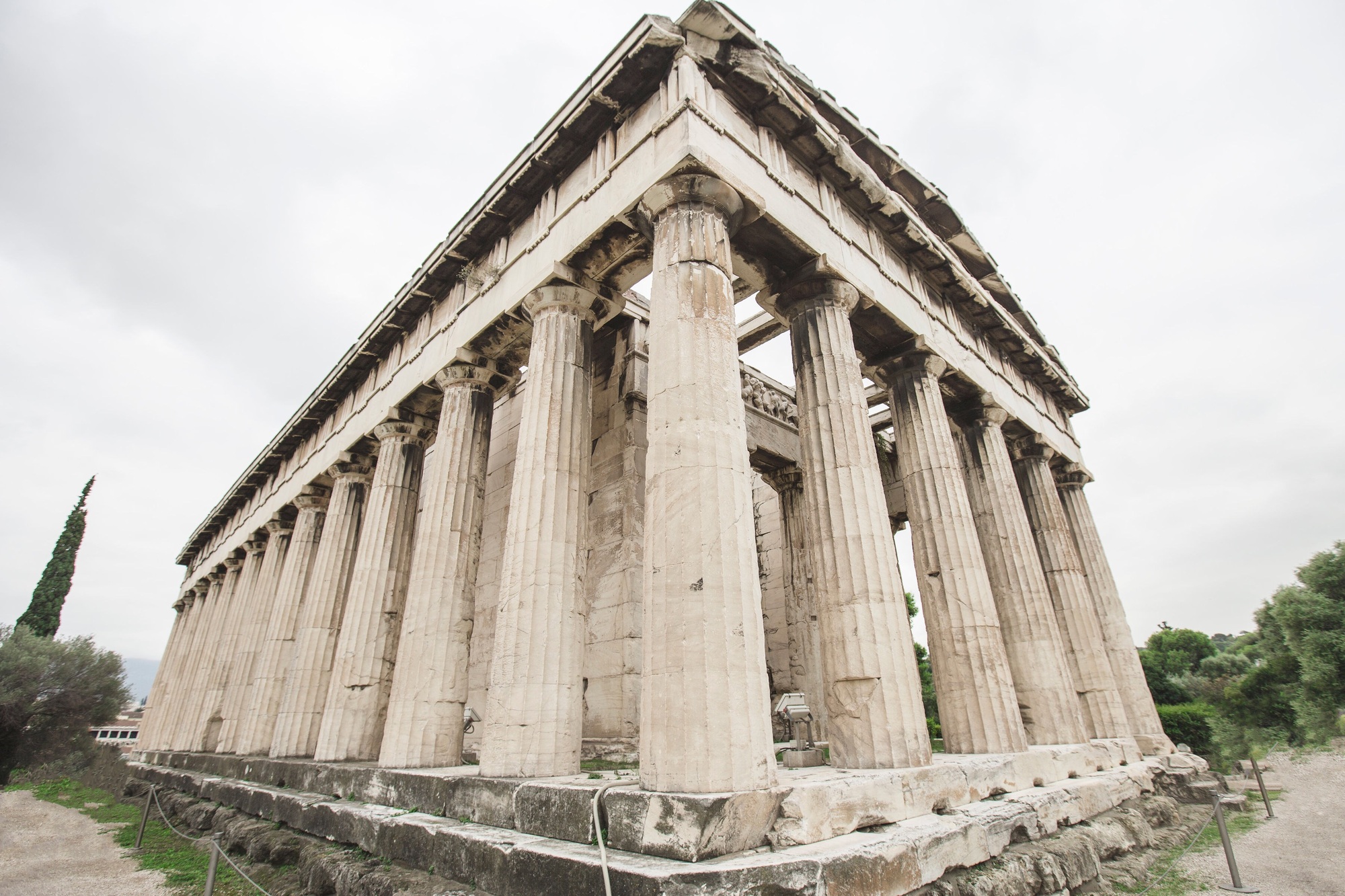
The Ancient Agora of Athens is a captivating site that showcases the foundations of democracy and public life. Situated near the Acropolis, it served as the heart of civic engagement in ancient Greece. Visiting this historical landmark offers a glimpse into the lives of the people who shaped Western civilization.
Dating back to the 6th century BC, the Agora was more than just a marketplace; it was a hub for political, social, and economic activity. Here, philosophers like Socrates would debate, and citizens gathered to discuss matters of the state. The archaeological site includes remnants of temples, public buildings, and various monuments that reflect the grandeur of Athenian life.
In recent years, the Ancient Agora has seen increased interest from tourists and scholars alike, with many drawn to its rich narrative and picturesque setting. Restorations and ongoing excavations have revealed astonishing artifacts, which enhance our understanding of daily life in ancient Greece.
Visitors to the Agora can explore the reconstructed Stoa of Attalos, a prominent building that now houses a museum showcasing items discovered on-site. This allows for a deeper appreciation of the artifacts and provides insights into the cultural practices of the time. The monumental Temple of Hephaestus, one of the best-preserved ancient temples, stands as a testament to the architectural prowess of ancient Greeks.
The implications of visiting the Ancient Agora extend beyond mere tourism. As a site where democracy was practiced, the Agora invites reflections on political systems and civic responsibility today. Those who walk its grounds may draw parallels between ancient and modern governmental practices, contemplating how such historical foundations have influenced contemporary society.
Tourist reactions reveal a mix of awe and admiration, with many expressing a desire to learn more about Athenian history after their visit. Local guides emphasize the importance of the Agora in their narratives, highlighting its role in shaping not only Greece but also the broader context of Western history.
Looking ahead, prospective visitors should prepare for a range of engaging activities at the site. Special events, such as lectures and guided tours, are often scheduled to deepen the educational experience. Additionally, ongoing archaeological work promises to uncover even more about the history that unfolded within these ancient walls.
What was the Ancient Agora used for?
The Ancient Agora served as a center for political, social, and economic life in ancient Athens, where citizens gathered to discuss civic matters, trade, and engage in philosophical debates.
What can visitors expect to see at the Agora?
Visitors can explore ruins of temples, the Stoa of Attalos housing a museum, and the well-preserved Temple of Hephaestus, all while gaining insights into ancient Greek culture.
Is the Ancient Agora accessible for tourists?
Yes, the Ancient Agora is accessible to tourists and offers various amenities, including guides and informative displays to enhance the visitor experience.

COMMENTS