
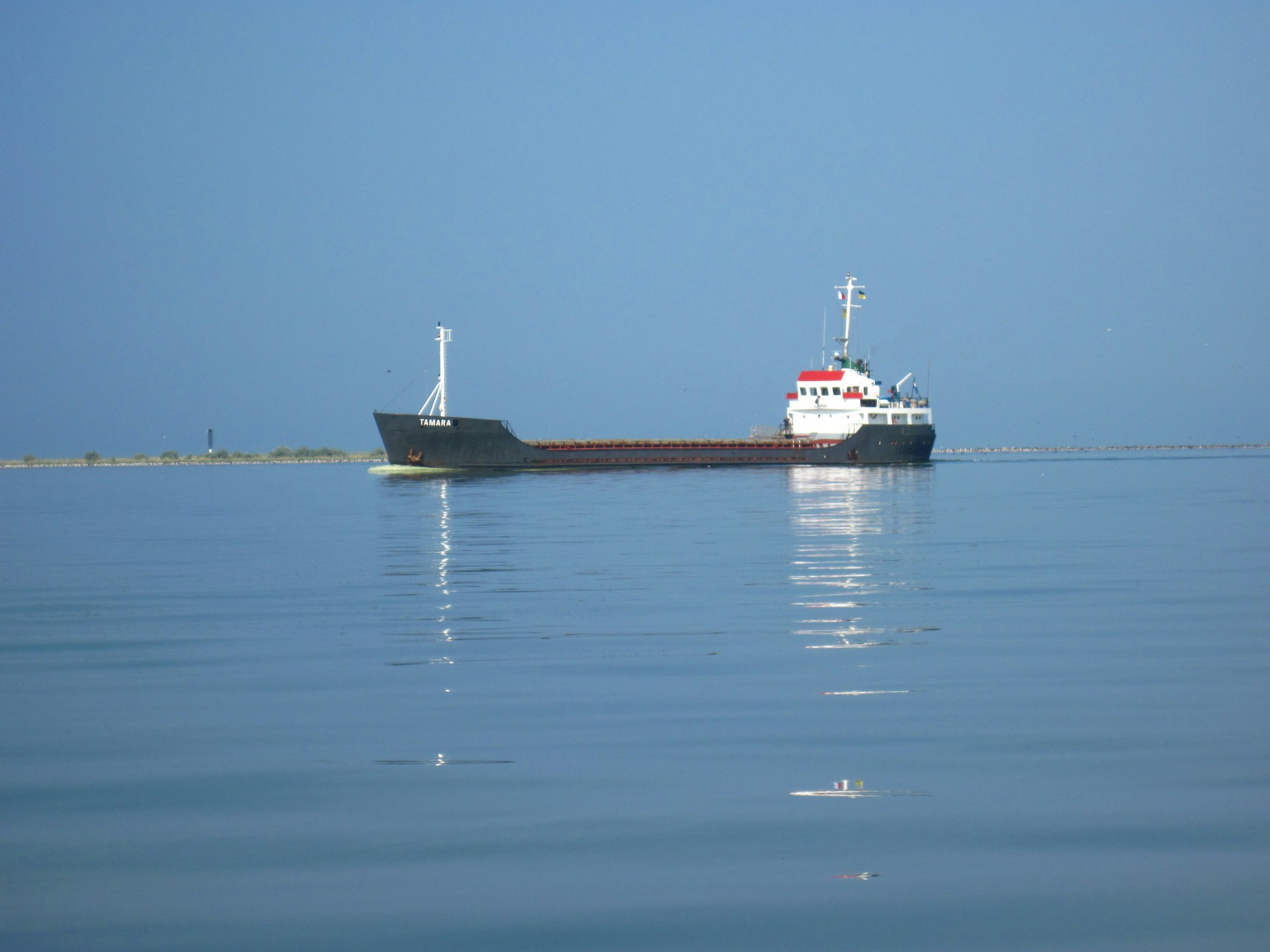
The Black Sea is a critical hub for maritime trade, connecting Europe, Asia, and the Middle East. It serves as a gateway to important markets, with key ports in countries such as Turkey, Bulgaria, Romania, Ukraine, Georgia, and Russia. However, operating vessels in the Black Sea involves navigating a complex landscape of maritime law and regional regulations. For vessel operators, understanding these legal considerations is essential for ensuring safe, efficient, and compliant operations.
The Strategic Importance of the Black Sea
The Black Sea is a semi-enclosed sea with significant geopolitical and economic importance. It is a vital corridor for the transport of goods, including oil, gas, grain, and other commodities. The sea’s strategic location makes it a focal point for international trade, but it also presents unique challenges for vessel operation due to its geopolitical tensions, environmental sensitivities, and varying legal frameworks.
Key Legal Considerations for Black Sea Shipping
- International Maritime Law Compliance:
- UNCLOS: The United Nations Convention on the Law of the Sea (UNCLOS) is the foundational legal framework governing maritime activities globally, including in the Black Sea. UNCLOS defines the rights and responsibilities of nations in their use of the world’s oceans, establishing guidelines for business, the environment, and the management of marine natural resources. Vessel operators in the Black Sea must comply with UNCLOS provisions, particularly those related to navigation rights, territorial waters, and exclusive economic zones (EEZs).
- SOLAS and MARPOL: The International Convention for the Safety of Life at Sea (SOLAS) and the International Convention for the Prevention of Pollution from Ships (MARPOL) are crucial international treaties that ensure the safety of vessels and the protection of the marine environment. Compliance with these conventions is mandatory for vessels operating in the Black Sea, requiring adherence to safety standards, pollution prevention measures, and reporting requirements.
- Regional and Bilateral Agreements:
- Montreux Convention: The Montreux Convention Regarding the Regime of the Straits governs the passage of naval and commercial vessels through the Turkish Straits, which connect the Black Sea to the Mediterranean. This convention is particularly important for vessel operators as it regulates the transit of ships based on their tonnage, nationality, and the type of cargo they carry.
- Bilateral Agreements: Various Black Sea countries have bilateral agreements that impact shipping, particularly concerning port access, customs procedures, and cooperation in maritime security. Vessel operators must be aware of these agreements to ensure compliance with local laws and regulations.
- Port State Control (PSC):
- Inspections: Port State Control is a critical aspect of maritime law enforcement, where authorities in Black Sea ports inspect foreign vessels to ensure compliance with international standards. These inspections cover a wide range of areas, including the condition of the ship, crew qualifications, safety equipment, and environmental compliance.
- Detentions and Penalties: Non-compliance with PSC inspections can result in vessel detention, fines, or other penalties, leading to significant delays and financial losses. Vessel operators should ensure that their ships are in full compliance with international standards before entering Black Sea ports to avoid such issues.
- Environmental Regulations:
- Ballast Water Management: The Black Sea is an environmentally sensitive area, with specific regulations aimed at preventing the introduction of invasive species through ballast water. Compliance with the Ballast Water Management Convention is mandatory, requiring vessels to manage and treat ballast water before discharge.
- Emission Control Areas (ECAs): While the Black Sea is not currently designated as an Emission Control Area, there are increasing pressures for stricter environmental regulations in the region. Vessel operators should stay informed about potential changes to emission standards and be prepared to comply with stricter sulfur limits and other environmental regulations.
- Geopolitical Considerations:
- Security Concerns: The Black Sea region has a complex geopolitical landscape, with tensions that can affect maritime security. Vessel operators must be aware of the security risks, including piracy, smuggling, and potential conflicts, and take appropriate measures to protect their vessels and crews.
- Sanctions and Trade Restrictions: Political tensions in the region have led to the imposition of sanctions and trade restrictions by various countries. Operators must ensure compliance with these sanctions to avoid legal repercussions, including asset freezes, fines, and prohibitions on docking or trading in certain ports.
- Customs and Trade Regulations:
- Cross-Border Trade: The Black Sea serves as a major route for cross-border trade, requiring vessels to navigate a patchwork of customs regulations. Each country bordering the Black Sea has its own customs laws, which can affect the movement of goods, documentation requirements, and tariff rates.
- EU Influence: For vessel operators trading with EU member states like Bulgaria and Romania, European Union regulations play a significant role. This includes compliance with EU customs codes, environmental standards, and maritime safety regulations.
Best Practices for Vessel Operators in the Black Sea
- Stay Informed: Keep up to date with the latest changes in maritime law, regional agreements, and environmental regulations that impact Black Sea shipping.
- Engage Legal Expertise: Work with maritime legal experts who specialize in the Black Sea region to navigate the complex legal landscape and ensure full compliance with all applicable laws.
- Conduct Pre-Arrival Preparations: Ensure that all necessary certifications, inspections, and crew qualifications are up to date before entering Black Sea ports to avoid delays and penalties.
- Implement Robust Security Measures: Given the geopolitical sensitivities of the region, vessel operators should implement comprehensive security protocols to protect against threats such as piracy and smuggling.
- Environmental Compliance: Adhere strictly to environmental regulations, particularly those related to ballast water management and emissions, to protect the Black Sea’s fragile ecosystem and avoid penalties.
Black Sea shipping is a vital component of international trade, but it requires a thorough understanding of maritime law and regional regulations. Vessel operators must navigate a complex legal environment that includes international treaties, regional agreements, and national laws, all while ensuring compliance with safety, environmental, and security standards.
By staying informed, seeking expert legal advice, and adhering to best practices, vessel operators can successfully manage the legal challenges of Black Sea shipping and ensure the smooth operation of their maritime activities in this strategically important region.
Many schools in Mladost, Sofia offer specializations related to Law and other good majors.

COMMENTS